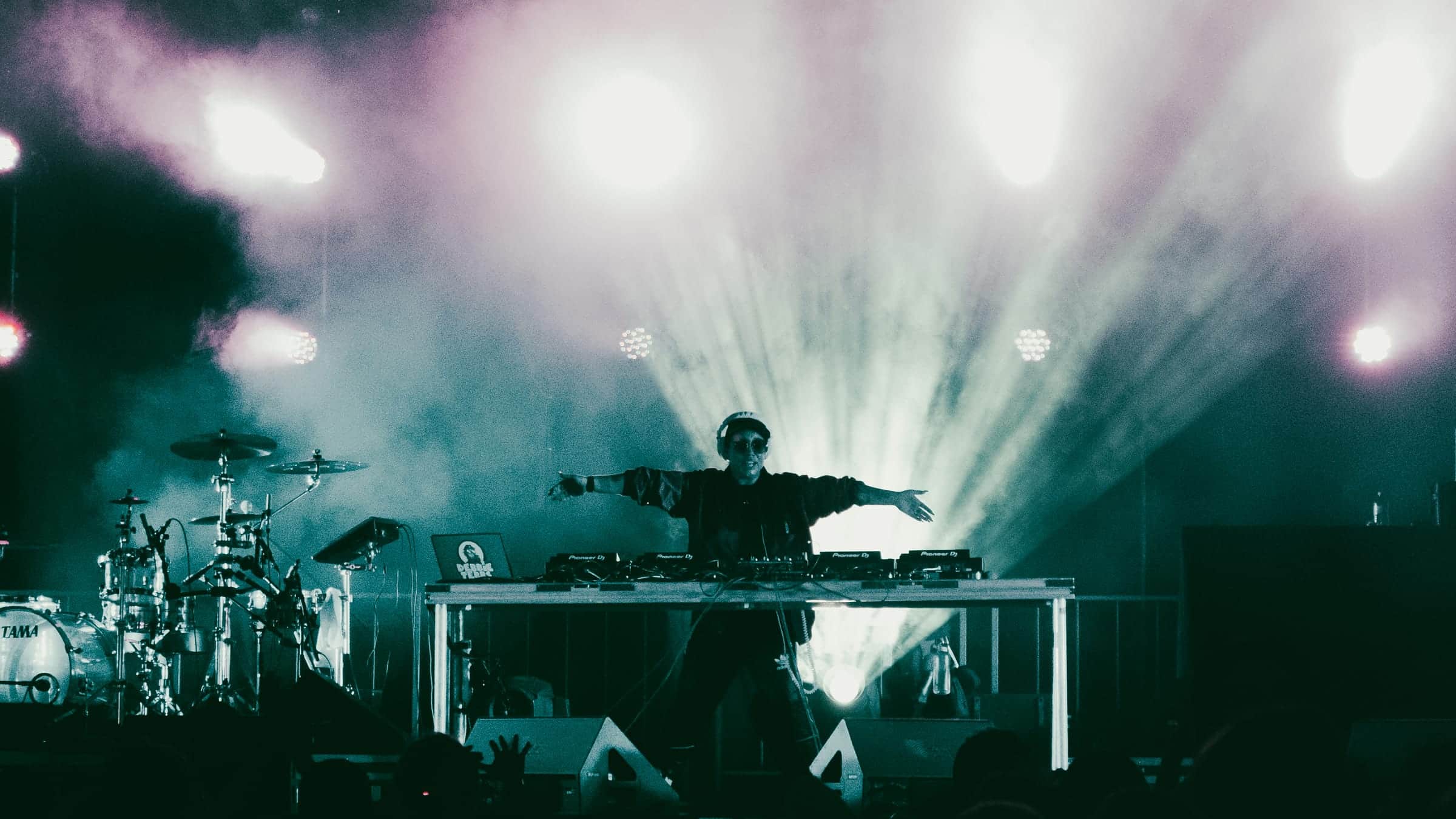
Solutions for shows and performing arts
Creative technical support in service of artistic expression.
What we do differently for a show
Creation asks for flexibility, a run asks for rigour. Three habits hold both.
We document while we build
Light plot, patch, cue sheet and positions written down as we go, not reconstructed after opening. That file is what lets a substitute pick up the cue sheet at short notice.
We plan the way back
Every change asked for in rehearsal is reversible: previous cues stay, abandoned rigging points stay in place. Trying an idea does not cost half a day.
What is impossible gets said with the number
A refused request comes with the load, the height or the distance that makes it impossible, and with a variant that gives the same effect. A no with no alternative gets worked around behind the crew's back.
What we bring in most often, and why
Technical direction
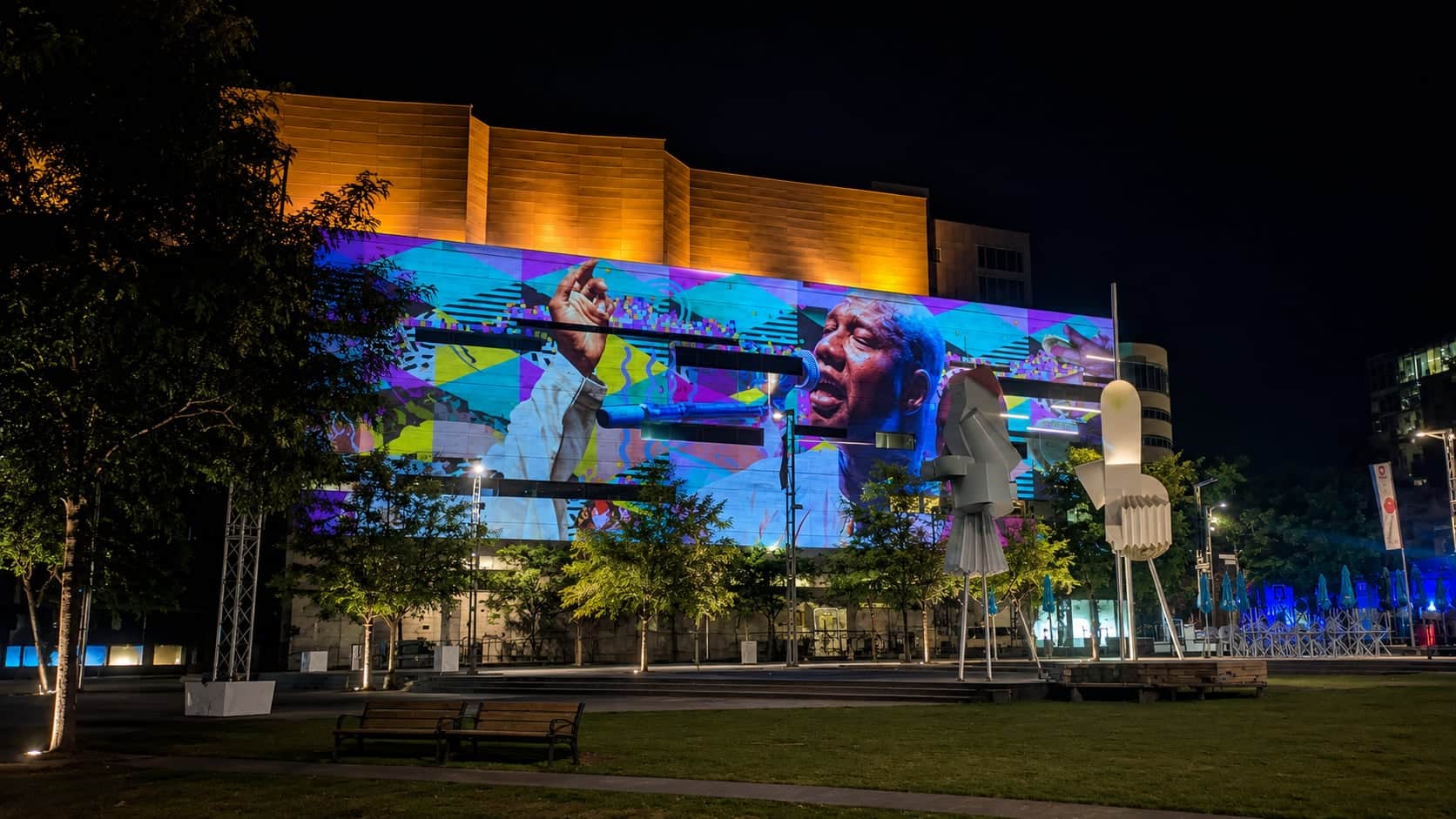
A show puts a director, a presenter, a touring crew and house rules in the same conversation. Someone has to translate the artistic request into what is possible in that room, that week, and say it early enough for a variant to exist.
Lighting
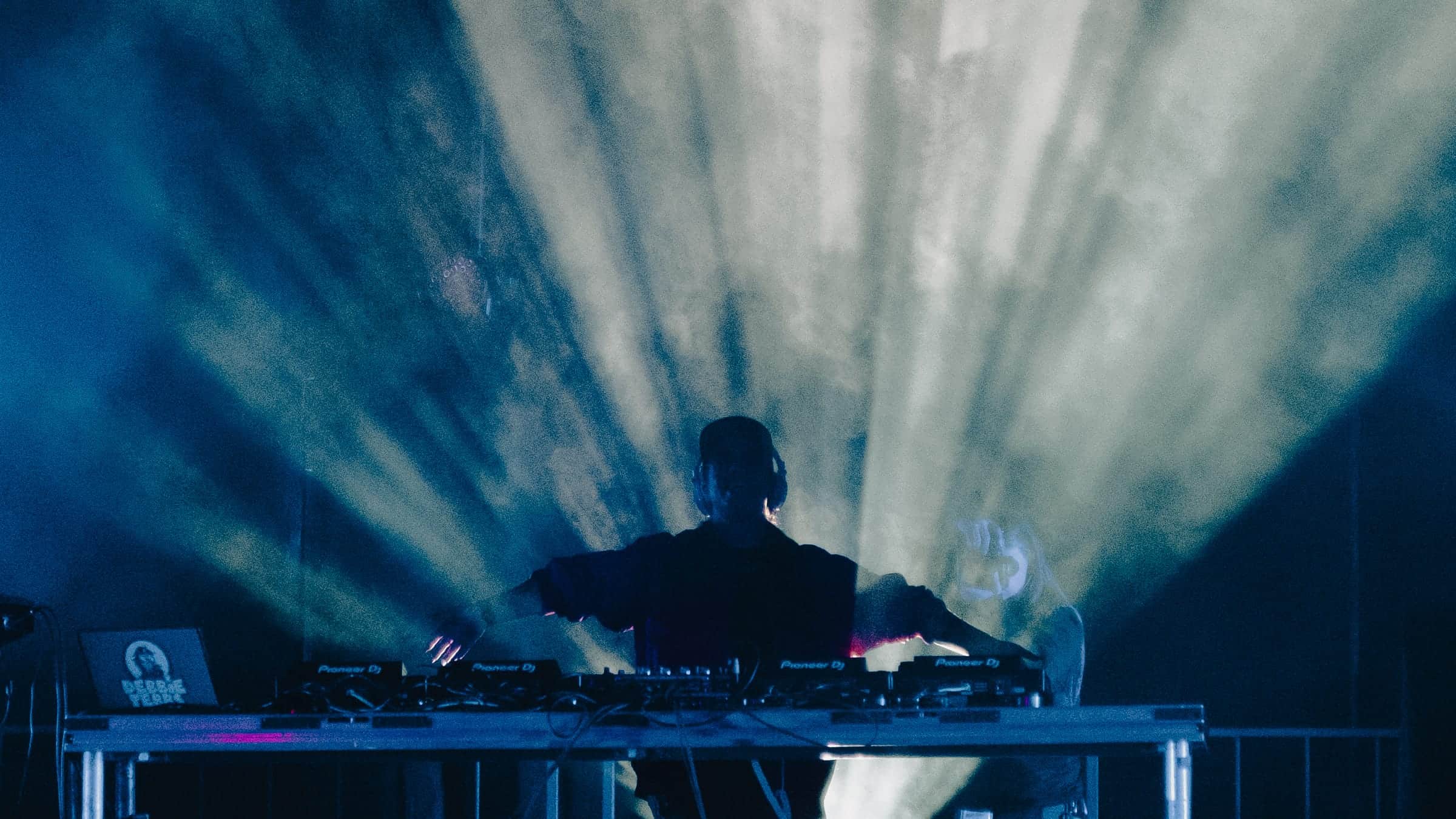
In theatre and dance, light does not accompany the show, it is part of it the way the set is. The plot is designed with the staging, focused with the performers present, and documented so it can be replayed.
Rigging and staging
A flown set piece, a raked deck, an element that moves in view: each is a calculation before it is an image. That is what makes it possible to say yes to an ambitious idea without improvising the rig the night before.
What a run of performances needs
Browse the catalogueA mixed inventory rather than all moving lights: profiles and conventional fixtures still do most of the work in theatre, and movers serve the moments that deserve them. A console whose cues travel from room to room.
Indoors the difficulty is not power but discretion: sources you do not hear coming, invisible stage mics, and monitoring that does not exist for the audience. A backup system ready, because a run does not cancel.
Decks, rakes and moving elements built to be reassembled twenty times without play. What strikes every night is designed differently from what stays, and the two do not mix in the same set.
Points that comply with the host venue's rules, not only with ours. Loads are documented point by point, and the file travels with the tour: that is what a presenter's technical director asks for before authorising the build.