
Solutions for esports and gaming
The technical edge for a demanding and connected audience.
What we do differently for a tournament
Live broadcast and competition have different demands. Three things hold them together.
Room control and stream control are separate
Two switchers, two operators, one shared source. A failure on one side does not take the other, and the room can carry on while the broadcast is repaired.
The network is drawn like a site plan
Segments, throughput and redundancy documented before the players arrive, with a backup link already patched rather than merely available. Nobody diagnoses a network during a final.
The set is designed for the camera
Backgrounds, colours and light levels are set watching the broadcast return, not the room. A set that looks spectacular on site and reads grey on stream is a failed set.
What we bring in most often, and why

Audiovisual production
A tournament needs a live cut, a room image and sound serving two audiences at once. Those three crafts coordinate to the second, and splitting them between suppliers puts the drift exactly where it shows.
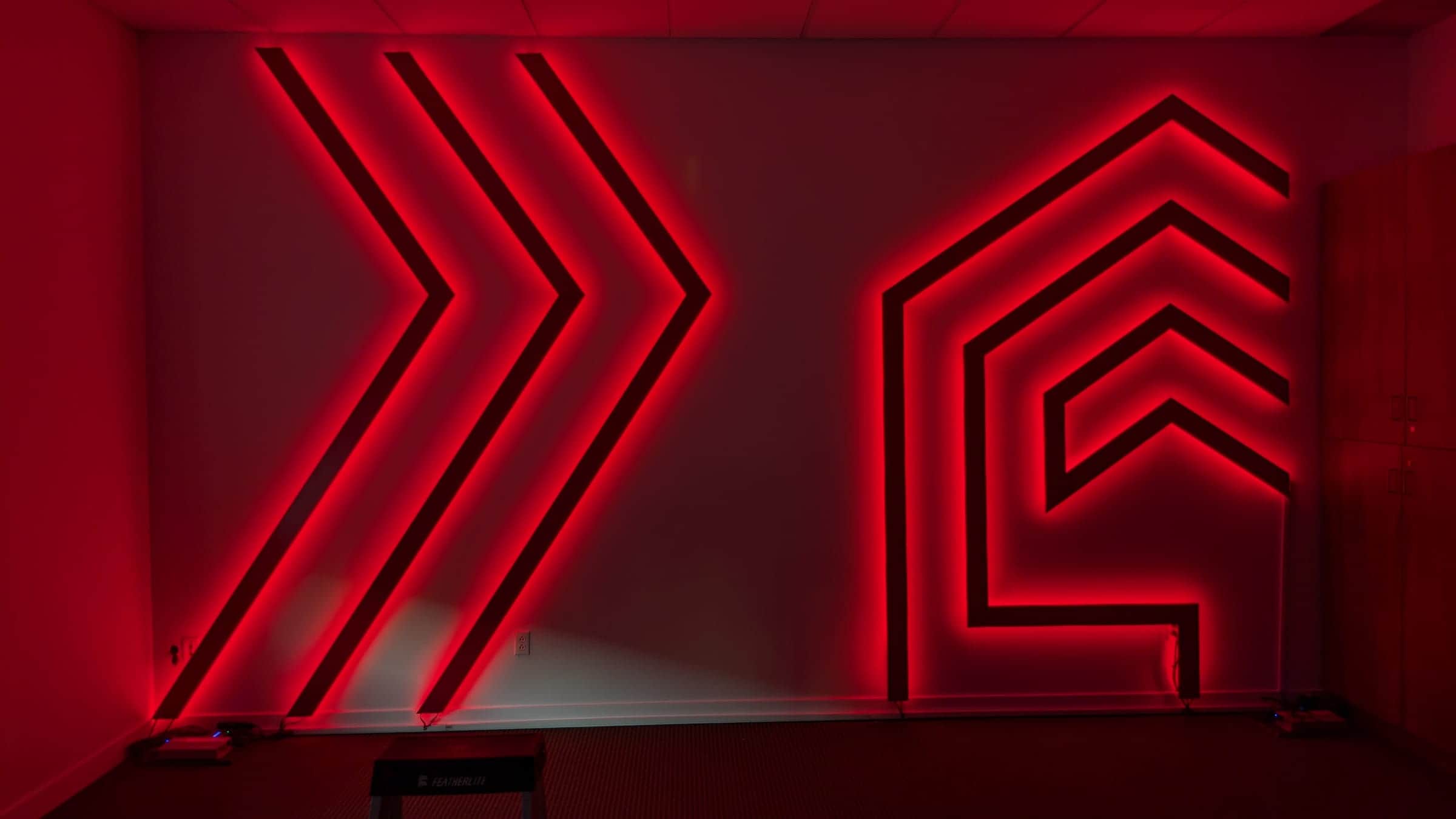
AV integration
A permanent gaming room is not a long event: buried cabling, fixed stations, an integrated control room and a dedicated network get designed once. What gets rebuilt every week ends up costing more than what stays in place.
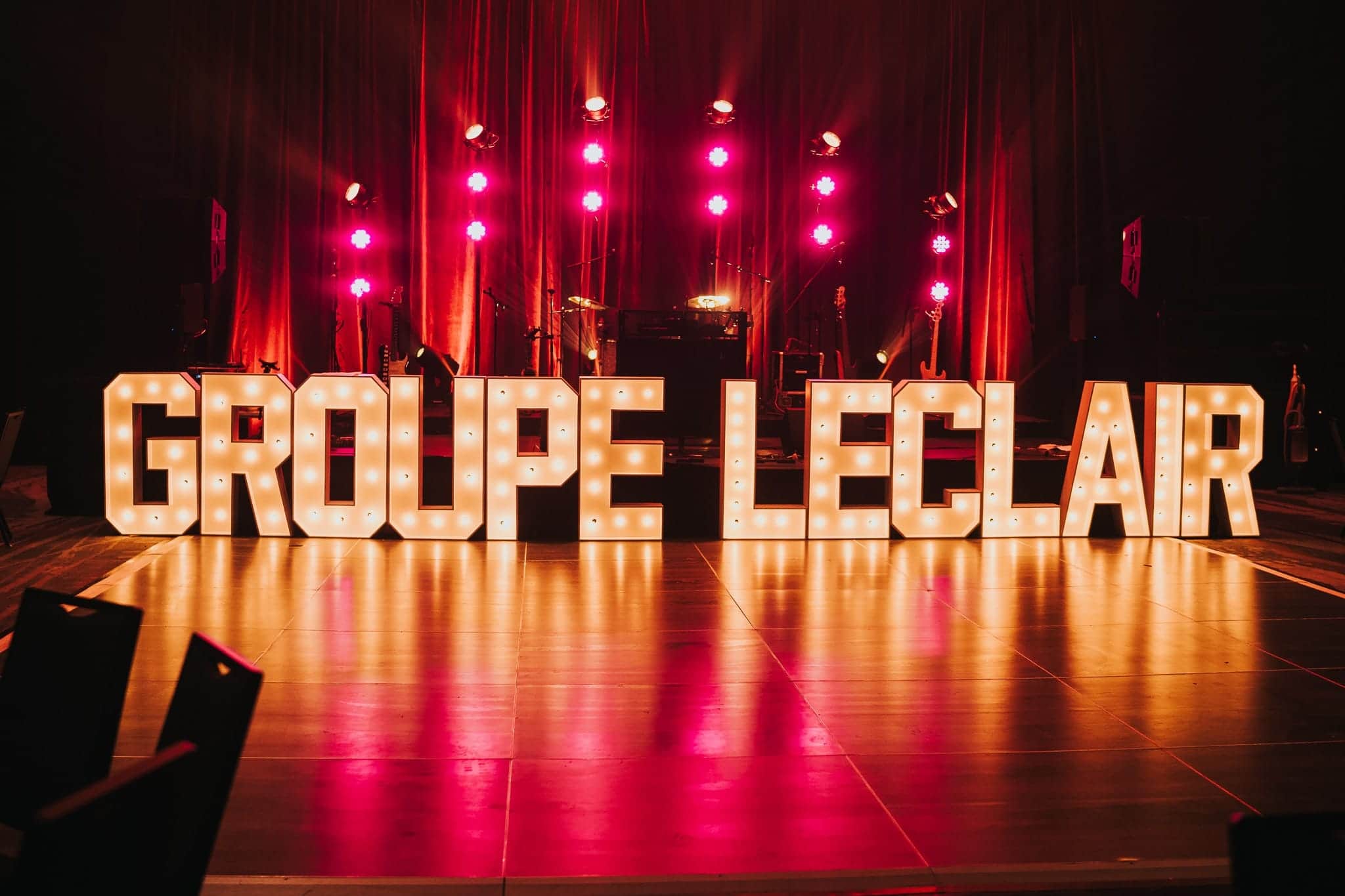
Equipment rental
A season replays the same kit in several cities. Identical gear available on every date outranks the price of one stop, because a different model city to city means a new setup every time.
What a stage tournament needs
Browse the catalogueA chain built for two simultaneous outputs: the room and the stream. Media servers for overlays, a switcher with enough inputs for the player stations plus cameras, and a backup recording of every source.
Three segments separated physically, not only logically: game, broadcast, public. The uplink has active redundancy, and bandwidth is measured under real load before the first match rather than at the moment of need.
Casters, players and the room live in three separate sound worlds. Closed headphones on the players, a separate intercom for the crew, and room coverage that never returns into the commentary mics.
Levels set on the camera return rather than by eye, because player faces are the most-seen shot of the tournament. Coloured ambience behind, neutral light in front, and no source reflecting in a game monitor.