
Solutions for education and universities
Audiovisual technologies for lecture halls and academic events.
What we do differently on a campus
The place sets its own rules and calendar. Three habits avoid the bad surprises.
We document what is there before adding to it
The site visit records what exists, its condition and its wiring, and that document stays with the institution. It is often the first time anyone has written it down, and it serves every edition after.
The quote is written to survive approval
Itemised lines, long validity, options separated from essentials. A quote that cannot be understood without us gets delayed by a full approval cycle, and the event date does not move.
Volunteer positions are simplified
One button, one instruction, no decisions. Anything requiring judgement stays on a position held by a technician, even if that means adding one.
What we bring in most often, and why
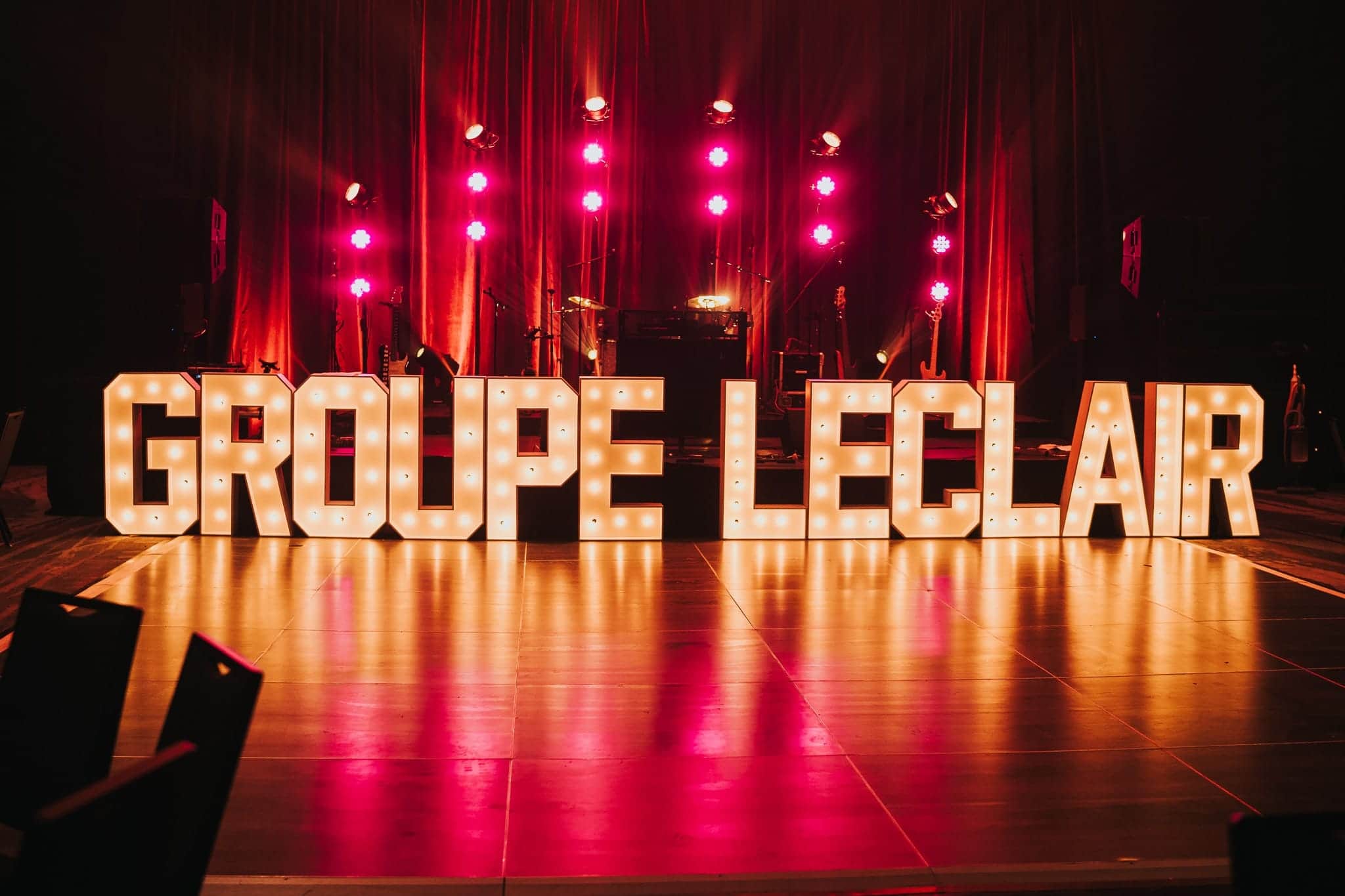
Equipment rental
A campus needs a lot of gear for two weeks a year and almost none the rest of the time. Renting costs less than maintaining an inventory that sits idle, and rented gear is always current.
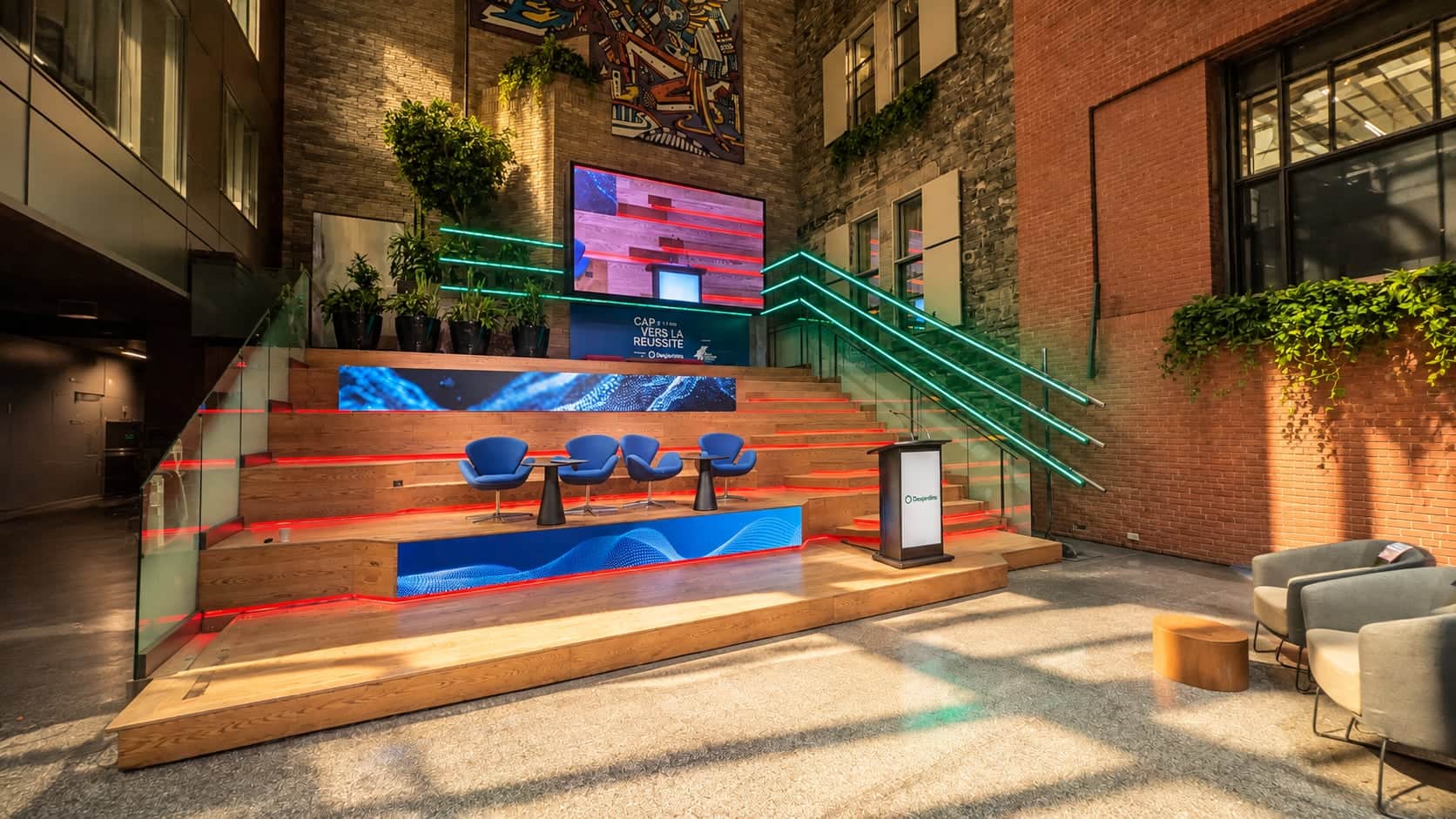
Collaboration rooms
Conversely, a room used every week deserves to be fitted once: quality becomes constant, staff stop setting anything up, and the cost compares to a handful of rentals a year.
What a convocation or a symposium needs
Browse the catalogueA temporary system added to what exists rather than replacing it, because the fixed system is the only one available again on Monday. Doubled lectern microphones, and a separate feed for the name reader, apart from the room mix.
A screen sized on reading a name from the back row, which is more demanding than a presentation slide. Graduate lists are prepared and checked the day before, never typed live.
Face light on the stage crossing before any effect: each graduate's photo is the real deliverable of the day. A simple addition to the house lighting is almost always enough.