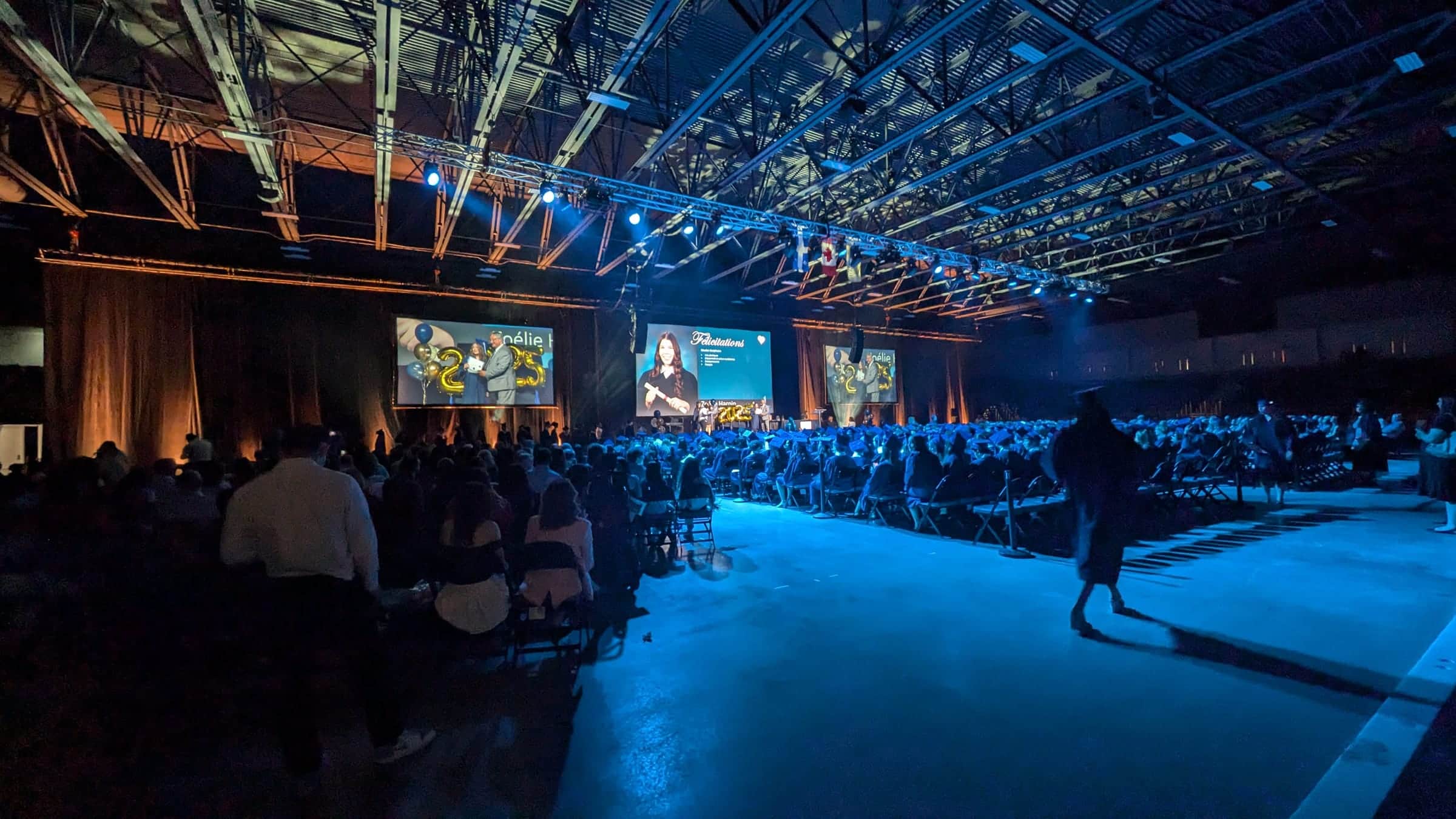
Solutions for congresses and conferences
Mastered technical logistics for large-scale professional events.
What we do differently for a conference
This format punishes improvisation more than others. Three things get settled in advance instead of on site.
One room, one kit, one owner
Every room gets an identical configuration for its size and a named technician. A speaker who changes rooms finds the same connections, and nobody has to relearn anything.
Files arrive before people do
An upload address opens two weeks ahead, and the decks received get tested room by room. Anything that arrives on the day goes through a control station, never straight to a projector.
The changeover is rehearsed like a cue
The room turnaround is timed in advance and run through with the volunteers: who cuts, who patches, who greets the next speaker. That is what recovers a delay instead of compounding it.
What we bring in most often, and why
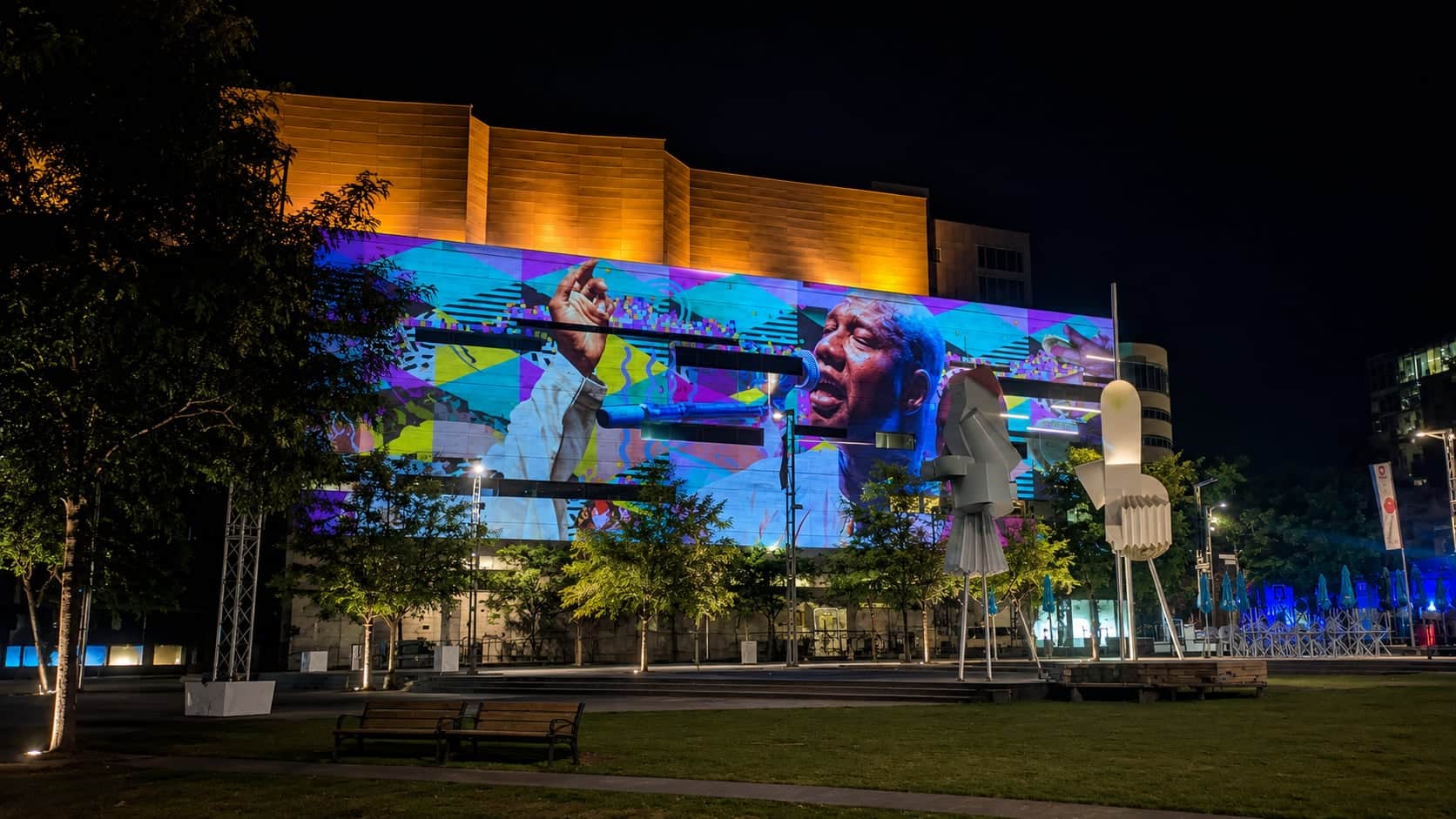
Technical direction
Twelve parallel rooms mean twelve schedules drifting independently. One person tracks the whole and rules live on which delay gets absorbed and which is allowed to stand, a call no room technician can make alone.
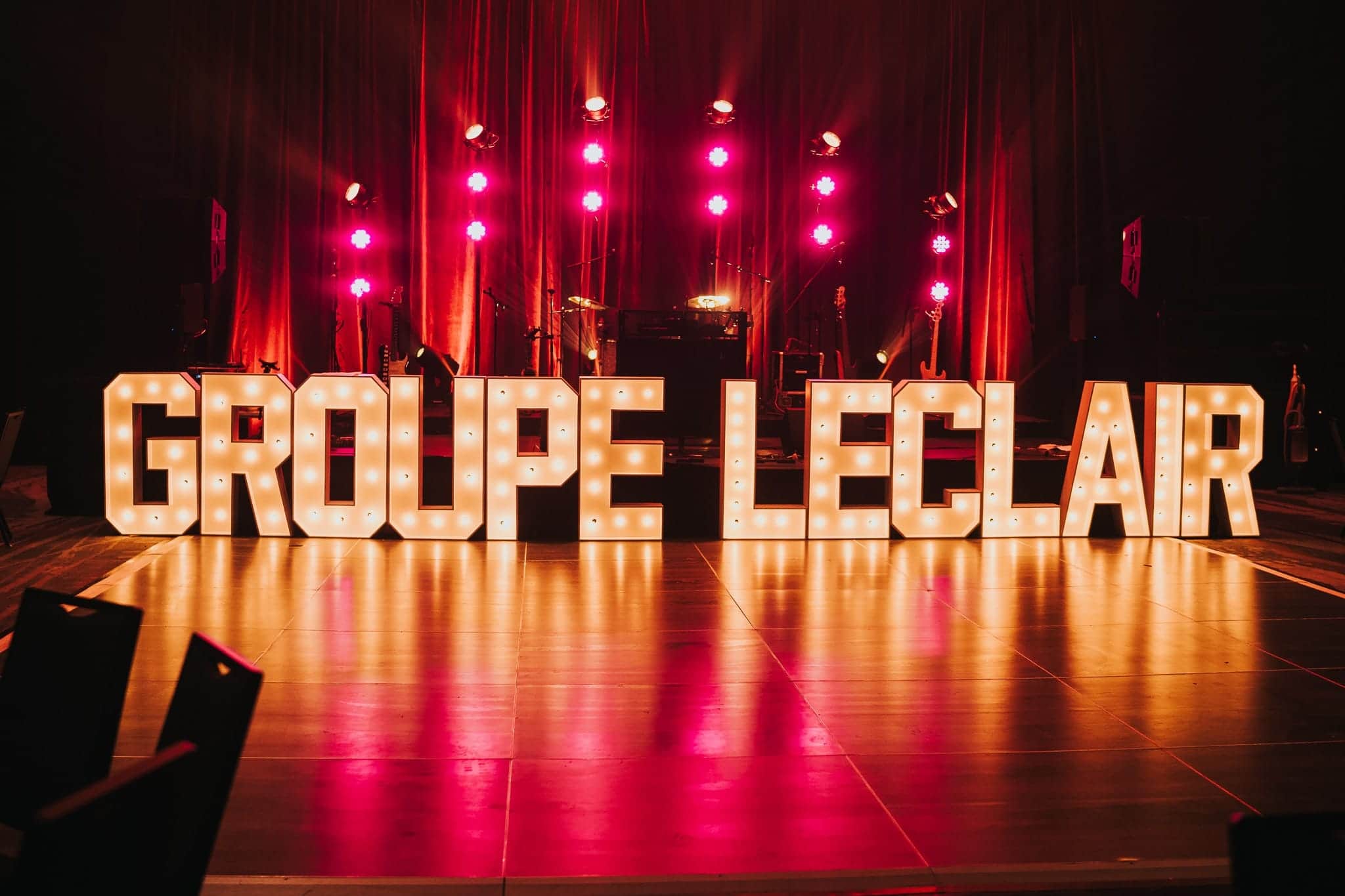
Equipment rental
A conference needs the same kit multiplied by ten rather than one complex install. What matters is quantity available on the same dates, consistency between rooms, and replacement stock kept on site.

Technical support
One technician per room is expensive, none is more expensive still. A distributed presence with regular check-ins catches the laptop that will not display before the room notices.
What a twelve-room conference needs
Browse the catalogueThe same kit replicated in every room rather than a fine install in the plenary and improvisation elsewhere. Each position gets the full adapter set, including the ones nobody expects to need.
One system per room, tuned for speech and nothing else. Two wireless microphones minimum per room, on frequencies coordinated across the whole building, or two neighbouring breakouts cut each other off literally.
Directional signage does more for the schedule than any piece of equipment: a delegate looking for a room is a delegate running late. Panels per floor, identification at every door, and a plan at the desk.
The hotel network will not hold six hundred devices plus a live stream. A dedicated link for production, separate from the guest one, and a wired path for anything that has to leave the building.